Volume 31 Issue 2/3
15 February 2019

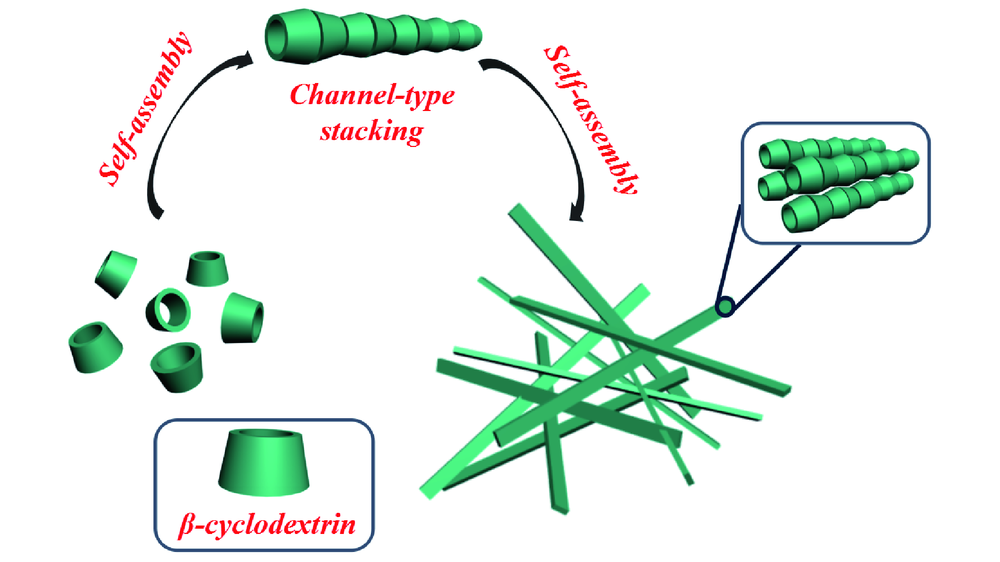
Mingfang Ma, Tianxiang Luan, Pengyao Xing, Zhaolou Li, Xiaoxiao Chu, Aiyou Hao. Low Molecular Weight Organic Compound Gel Based on β-cyclodextrin[J]. Progress in Chemistry, 2019, 31(2/3): 225-235.
β-cyclodextrin is a cyclic oligosaccharide containing seven glucopyranose units, and can be produced by amylose under the action of cyclodextrin glucosyltransferase. β-cyclodextrin has cone shaped three-dimensional structure, with its cavity hydrophobic, while its outside hydrophilic. β-cyclodextrin has already been used widely in supramolecular chemistry due to its low price, good solubility and biocompatibility. β-cyclodextrin can be used to construct gel. But the usual way is grafting β-cyclodextrin onto polymer chain, and the obtained polymer chain containing β-cyclodextrin can act as gelator to construct polymer gel. Although polymer gels based on β-cyclodextrin have been studied extensively, there are few reports about low molecular weight organogel based on β-cyclodextrin. In 2010, our lab reported heat-set low molecular weight organogel based on β-cyclodextrin and diphenylamine for the first time. After that, a lot of research work about low molecular weight β-cyclodextrin organogel has been done in our group. Based on the research foundation of our lab, in this review, classification of different low molecular weight β-cyclodextrin organogel and different factors affecting the formation of low molecular weight β-cyclodextrin organogel are introduced at first. Then, the formation mechanism of low molecular weight β-cyclodextrin organogel is discussed deeply, and stimuli responsiveness of low molecular weight β-cyclodextrin organogel and application of low molecular weight β-cyclodextrin organogel on drug delivery are introduced systematically. Finally, development foreground of low molecular weight β-cyclodextrin organogel is prospected.
Xiaojuan Wang, Zhenzhen Liu, Qi Chen, Xiaoqiang Wang, Fang Huang. Interactions between Graphene Materials and Proteins[J]. Progress in Chemistry, 2019, 31(2/3): 236-244.
Relying on the excellent physical and chemical properties, graphene materials have attracted great attention in the biomedical field and shown broad application prospects. It needs to be noted that when graphene materials are used for bio-applications, such as drug delivery, medical sensing and bioimaging, they will interact inevitably with various proteins and result in the changing of their own properties as well as the variation of proteins’ conformation and functions. Therefore, a lot of studies have been carried out to investigate the interactions between graphene materials and protein molecules, which is of vital importance for understanding and evaluating the biological effects of graphene materials. In this content, the representative scientific researches on this topic are reviewed. The molecular mechanisms of the interactions between various materials of the graphene family and proteins are summarized, and the newly developed biotechnologies based on the graphene material / protein interactions are introduced. Finally, some personal perspectives of the further research directions in this field are presented.

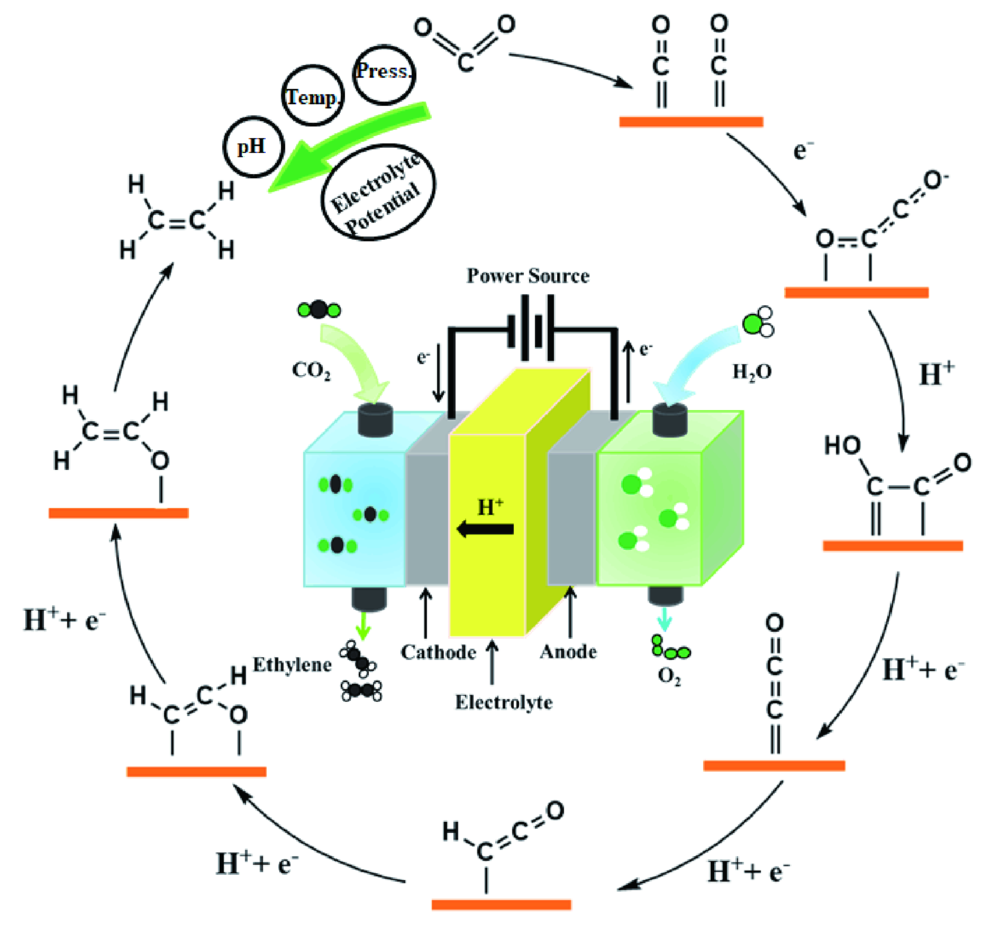
Mengru Yang, Huajing Li, Ningdan Luo, Jin Li, Anning Zhou, Yuangang Li. Electro-Chemical Reduction of Carbon Dioxide into Ethylene: Catalyst, Conditions and Mechanism[J]. Progress in Chemistry, 2019, 31(2/3): 245-257.
Electrochemical reduction of carbon dioxide into ethylene not only can alleviate the greenhouse effect but also obtain ethylene as one of the high value-added petrochemicals. The article reviews recent advances in the field of carbon dioxide electro-catalytic reduction to produce ethylene, and mainly focus on the electro-catalysts for the reduction of carbon dioxide into ethylene. Copper-based catalyst is an active ingredient for highly selective generation of ethylene. Doping, modifying or decorating copper-based catalyst can increase the stability and activity of the catalyst while maintaining the high selectivity of the catalyst for ethylene. The mechanism for ethylene formation under electro-catalytic conditions and the effect of reaction conditions on ethylene selectivity are also included. Three adsorptive states of carbon dioxide on the surface of catalyst and the mechanism of ethylene formation on the Cu(100) crystal face are briefly described. The effects of electrode potential, temperature, pressure, the composition of electrolyte and pH on ethylene selectivity are also considered. Finally, the issues in the field of catalyst development and research for reducing carbon dioxide into ethylene are summarized and prospected.
Qiang Pei, Aixiang Ding. The Design and Application of Quadruple Hydrogen Bonded Systems[J]. Progress in Chemistry, 2019, 31(2/3): 258-274.
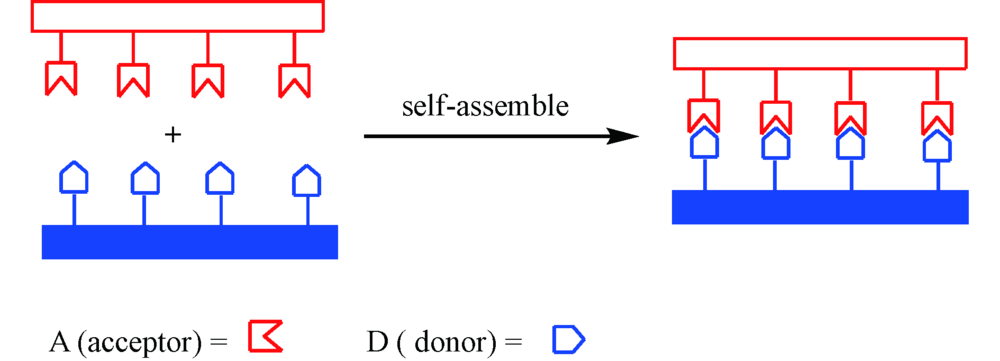
Hydrogen bond is one of the most basic weak interaction of natural intermolecular forces and the ideal driving force for constructing supramolecular self-assembly systems. In the past few years, the construction of excellent multiple hydrogen bonded building blocks has become a hot research direction in supramolecular chemistry. Among that, quadruple hydrogen bonded systems are widely used for the construction of supramolecular assemblies due to their several advantages, such as strong binding power, simple synthesis, easily modifiable structure, and predictable recognition performance. In this review, we aim to provide a broad overview of the progress of quadruple hydrogen bonded systems. More specifically, we emphatically elaborate the design principles and applications of various typed quadruple hydrogen bonded systems.
Lingli Zhou, Ruigang Xie, Linjiang Wang. Application of Layered Double Hydroxides in Electrocatalysis[J]. Progress in Chemistry, 2019, 31(2/3): 275-282.
The development of renewable clean energy and energy storage devices has attracted extensive attention because of bad condition of energy shortages and harsh environmental problems. Electrocatalytic reaction and catalyst materials play vital roles in the process of catalysis. Two dimensional layered materials have been widely used as electrode materials in electrocatalysis and energy storage devices thanks to their high specific surface area and unique electronic properties. Among them, layered double hydroxides(LDHs) have a good development prospect in the electrocatalysis process and preparation of catalyst materials due to their typical layered structure and unique advantages such as low price, easy to be prepared and functionalized, good tunability in the composition and structure, etc. This review summarizes the research progress of LDHs applied in catalyst for oxygen evolution reaction(OER), catalyst supporter and used as precursor to prepare electrocatalyst. Especially, we discusse the recent advances in tuning LDHs including electronic structure, morphology, interface interaction and synergetic catalytic effect with noble metal catalyst to improve the catalytic performance. In addition, we briefly describe the preparation of electrocatalysts using LDHs as precursors. Finally, the current difficulties and future research directions of LDHs are also discussed to give an outlook of their prospect in electrocatalysis.

Weijie Wu, Yuankui Leng, Mengfei Shen, Wanwan Li. Functional Nanomaterials Based Suspension Array Technology[J]. Progress in Chemistry, 2019, 31(2/3): 283-299.
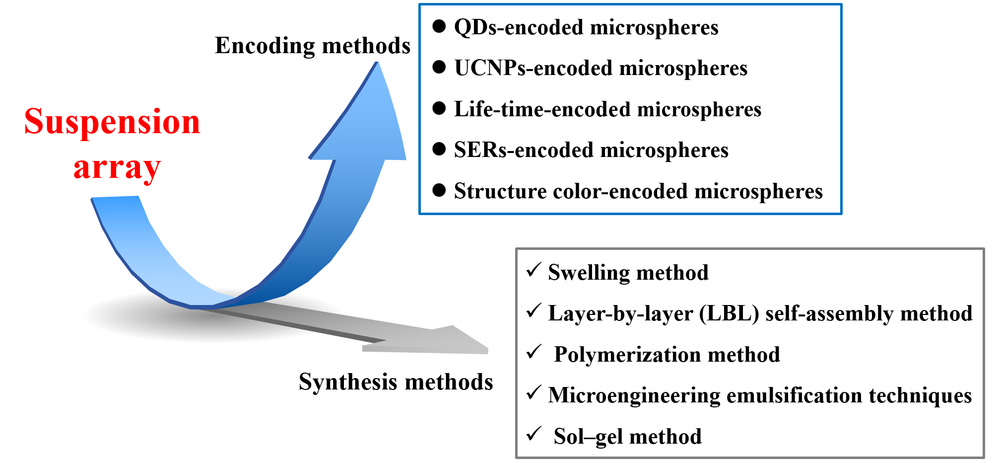
Suspension array or liquid biochips technique based on spectrometrically encoded microspheres plays a prominent role in simultaneously high-throughput multiplexed detection of multiple analytes within a small, single sample volume. It is a quite powerful tool for genes analysis, proteins profiling, disease early diagnosis, treatment monitoring and so on, due to its faster binding kinetics, high-throughput multiplexed detection, high detection sensitivity, and good reproducibility. Commercial suspension array platforms based on organic dye-encoded microspheres show various limitations such as limited encoding capacity, sensitivity, photostability, requirement of instruments with multiple excitation, tedious color compensation processes, etc. Substantial development has been achieved in improving the multiplexed detecting capability, detection sensitivity, and automatic platform of suspension arrays due to the rapid growth of nanotechnology and nanomaterials. In this review, we systematically introduce the recent progress on functional nanomaterials based suspension array technology, including functional nanoparticles-encoded microspheres and their fabrication technologies, design and regulation of suspension arrays. At last, we make a summary of the current challenges and their possible solutions in suspension array technology. We hope that our review on the recent progress, current challenges, possible solutions and the future prospects of suspension array based on encoded microspheres, will help drive the development of suspension array technology and its related fields.
Lingchuang Bai, Jing Zhao, Yakai Feng. Multifunctional Gene Delivery Systems to Promote the Proliferation of Endothelial Cells[J]. Progress in Chemistry, 2019, 31(2/3): 300-310.
Artificial vascular grafts play an important role in the clinical treatment of cardiovascular diseases due to the lack of autografts. Artificial vascular grafts, especially for small-diameter artificial vascular grafts, usually encounter the problems such as in-stent restenosis, thus limiting their application in clinical treatment. Endothelialization of artificial vascular grafts can improve their hemocompatibility and maintain their long-term patency. It has been confirmed that multifunctional gene delivery systems can promote the proliferation of vascular endothelial cells(ECs) and help achieve the rapid endothelialization of artificial vascular grafts. Recently, functional peptides and cationic polymers have provided an effective approach for the development of low-toxic and highly efficient multifunctional gene delivery systems. In this review, functional peptides, target genes and polycationic gene carriers used in the transfection of vascular ECs are detailedly introduced. Based on polycationic gene carriers, the current development of multifunctional step-by-step targeting gene delivery systems for promoting the proliferation of ECs and endothelialization are highlighted. Finally, some perspectives on achieving rapid endothelialization via gene transfection are also presented.

Zhe Liu, Xiaolan Zhang, Ting Cai, Jing Yua, Kunfeng Zhao, Dannong He. Catalytic Oxidation of Formaldehyde over Manganese-Based Catalysts and the Influence of Synergistic Effect[J]. Progress in Chemistry, 2019, 31(2/3): 311-321.
Formaldehyde is one of the major indoor pollutants and has threatened the human health seriously. The treatment of formaldehyde has attracted broad attention. Catalytic oxidation is one of the most effective and environment-friendly technology. Presently, the catalytic deep oxidation of formaldehyde over manganese-based catalysts has become the research hotspot owing to the structure flexibility and good oxidation ability of manganese oxides(MnOx). The review mainly summarizes the recent progress in formaldehyde oxidation over manganese-based catalysts from four perspectives: pure MnOxcatalysts, manganese-based composite oxides, MnOx immobilization on porous material and MnOx supported noble-metal catalysts. Catalytic mechanisms are elaborated based on Mars-van Krevelen mechanism. Specified surface oxygen species and active sites in variety of catalysts produce corresponding intermediates during the catalytic oxidation of formaldehyde and consequently induce different reaction pathways. The influence of synergistic catalytic effect is emphatically discussed between catalyst components. The synergistic effect of manganese-based catalysts is achieved through one component activation by the other between two catalytic components for enhanced activity, or successional catalytic functioning of two components in catalytic reactions probably involving multi-step for enhanced activity and/or selectivity. Finally, the challenges and outlook are featured based on such catalysts in the application of HCHO removal.

Jian Kang, Le Zhang, Fangzheng Zhen, Yingshuang Shan, Yuelong Ma, Hao Chen. Light-Conversion Materials for High-Lumen Density Laser Illumination[J]. Progress in Chemistry, 2019, 31(2/3): 322-336.
Laser-based white-light source has the advantages of high brightness, fast response and far transmission distance. It is widely used in automotive lighting, display, industrial lighting, and remote lighting fields such as high-speed rail and ships. However, with the high lumen density of laser illumination source, higher requirements are proposed for the light-conversion materials. In this review, the research progress of light-converting materials such as powder, single crystal, glass and ceramics for laser illumination in recent years is reviewed. Then, the main causes of temperature quenching of current light-conversion materials are briefly analyzed. Finally, several key problems to be urgently solved are highlighted for the application of high-lumen density laser illumination, and its development trend is prospected.

Lei Chen, Wen Zhao, Gangji Yi, Jianjun Zhou, Aihua Yua. Single-Ion Magnets Based on 3d Transition Metal[J]. Progress in Chemistry, 2019, 31(2/3): 337-350.
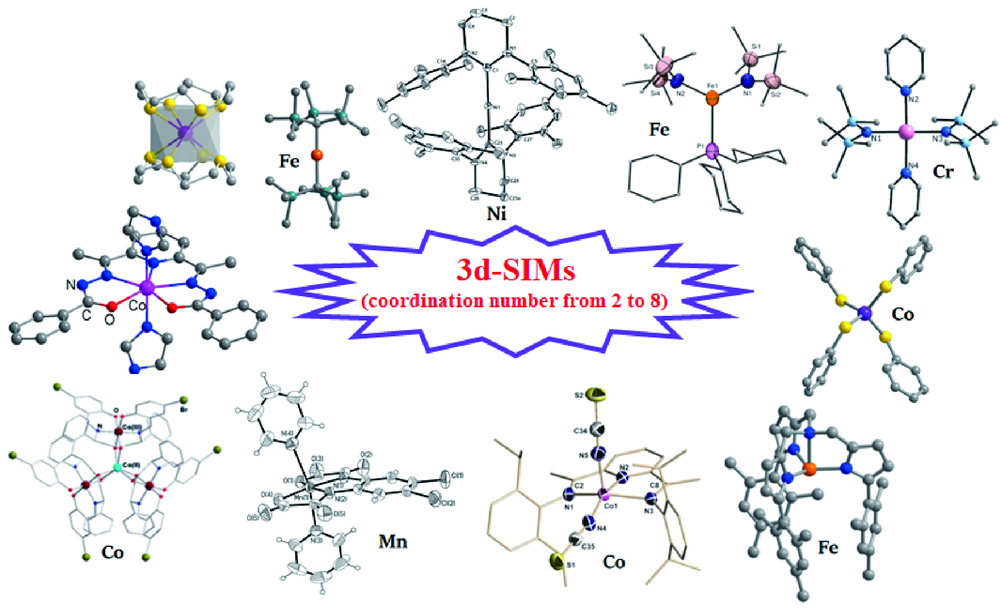
Single molecule magnets are potentially useful in quantum computing, high density data storage and molecular spintronics. 3d transition-metal-based single-ion magnets have attracted intensive interest because their structures are simple, and it is easy to explore the magneto-structural relationship, and achieve the higher barriers by tunable ligand field. Unifying the domestic and foreign research situation, the paper will show an overall perspective of the present single-ion magnets(SIMs) based on the 3d transition metal with the coordinated geometry, and highlight the relationship among the ligand field, the magnetic anisotropy and the behavior of single molecule magnet, which will provide a new route for the syntheses of single molecule magnets.
Zhonggao Zhou, Yangyang Yuan, Guohai Xu, Zhengwang Chen, Mei Li. The Synthesis and Catalytic Activity of Sugar-Based NHCs and Their Transition Metal Complexes[J]. Progress in Chemistry, 2019, 31(2/3): 351-367.
N-Heterocyclic carbenes(NHCs) and their stable transition metal complexes rank among the most popular subjects for research in organometallic chemistry that have been widely used in the field of catalysis. Researchers are investigating NHCs metal complexes with increasingly complex NHCs components, adding new functional substituents to the NHCs heterocyclic ring. Sugar compounds are extremely abundant molecules and well known for their biocompatibility, water solubility, chirality and nontoxicity. It is not surprising that sugar substituents have been introduced into NHCs(sugar-based NHCs) to increase water solubility and chirality. Sugar-based NHCs and their metal complexes show great potential in the fields of catalysis and pharmacology. To understand the success of sugar-based NHCs, this review first presents the important research progress in sugar-based NHCs precursors and NHCs metal complexes containing monosaccharides such as D-glucopyranose, D-galactopyranose, β-glucosamine, galactosamine, and aminomannose are discussed. Overview, sugar-based NHCs and their metal complexes are divided into five categories according to the carbon-linked of sugar with fused ring(including C-1, C-2, C-3, C-6, and others). Then the main synthetic methods, handling, structure, and catalytic activity of sugar-based NHCs and their metal complexes are discussed in detail, roles of the sugar moiety, NHCs ligand and transition metal complexes related to these properties are highlighted. Finally, the catalytic activity, especially in asymmetric catalytic reaction, and the development trend of sugar-based NHCs precursors and NHCs transition metal complexes are prospected.
Sheng Feng, Fang Yang, Mengyao Liu, Hongxian Fan, Nian Xu. Carriers of Docetaxel: An Anticancer Drug[J]. Progress in Chemistry, 2019, 31(2/3): 368-380.
Docetaxel is an effective anticancer drug. Due to its low water solubility and serious side effects brought about by solvent used, clinical application of docetaxel is restricted. Based on this problem, Establishing the carriers of docetaxel, an anticancer drug, by means of chemical synthesis has been attracting the attention of scientists. This article reviews the research progress of carriers of docetaxel in the past decade and discusses some problems in the current study, providing reference for the development and utilization of carriers of docetaxel.

Xiangyang Zhu, Shan Ni, Qinling Bi, Liangrong Yang, Huifang Xing, Huizhou Liu. Preparation of Ferrite Magnetic Nano-Catalysts and Their Applications in the Field of Resources and Energy[J]. Progress in Chemistry, 2019, 31(2/3): 381-393.
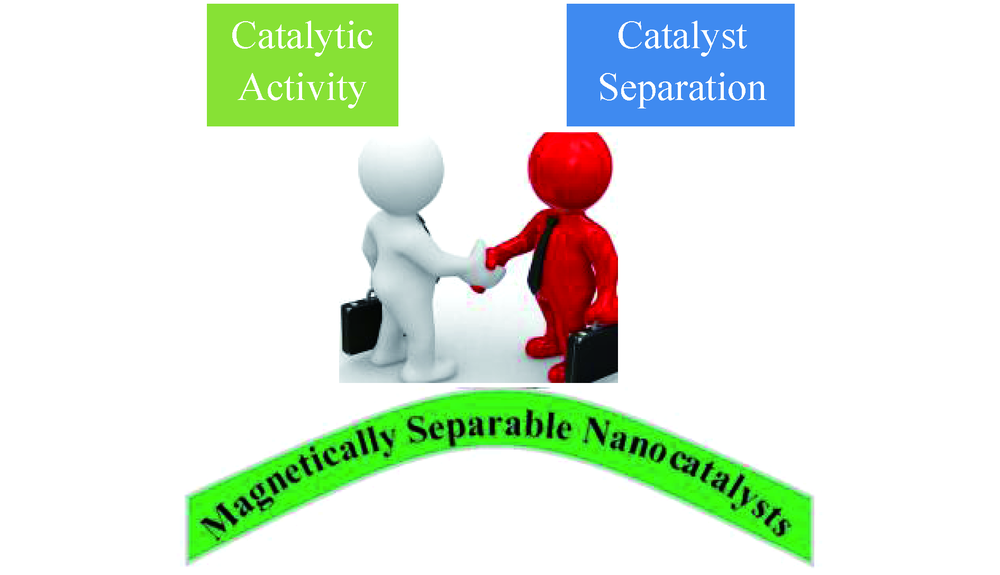
With the development of exploitation technique, oil resources development and utilization have increased. However, the existing oil resources are complex in composition and high in viscosity. The use of conventional catalysts for upgrading has problems of low utilization efficiency, difficulty in recovery, etc. Biomass has emerged as a potential alternative to the dwindling fossil fuel reserves. Catalytic conversion of biomass has become one of the main routes for the transformation of biomass into a variety of commodity chemicals or liquid fuels. However, the common homogeneous and heterogeneous catalysts used in biomass catalytic conversion also have problems such as difficulty in recycling and big consumption, which limits their applications. Magnetic nano-catalysts, as new catalysts, not only have high catalytic activity, but also can be separated under the external magnetic field, achieving their recovery and reuse, making industry production serialization, reducing the cost of chemical production, and improving the production. Here we review the preparation methods of ferrite magnetic nano-catalysts. We also present their recent advances in the fields of catalytic desulfurization, catalytic conversion of biomass to chemicals, production of biodiesel, coal liquefaction, and analyze the problems to be solved for the specific applications in the field of resources and energy. Finally, the prospects on the application of ferrite magnetic nanoparticles are outlined.
Saba Jamil, Afaaf Rahat Alvi, Shanza Rauf Khan, Muhammad Ramzan Saeed Ashraf Janjua. Layered Double Hydroxides(LDHs): Synthesis & Applications[J]. Progress in Chemistry, 2019, 31(2/3): 394-412.
Layered double hydroxides, a class of anionic clays possessing sandwich like structure in which negative anions are sandwiched into positively charged metal layers in a repeating manner, have been studied extensively. Layered double hydroxides could be fabricated with combination of different divalent(Cd2+, Mn2+, Fe2+, Pb2+) and trivalent(Al3+, Cr3+, Fe3+) metals and layered arrangement imparts unique properties such as adsorption properties and catalytic properties in these compounds. Exciting feature of these compounds is the memory effect. There are a number of methods to synthesize these layered compounds, such as co-precipitation, hydrothermal, sol-gel, urea hydrolysis, etc. The synthesized LDHs can be characterized morphologically and compositionally i.e. scanning electron microscopy, transmission electron microscopy, powder X-Ray diffraction, Mossbauer spectroscopy, thermogravimetric analysis, XPS, etc. The wonderful feature of layered double hydroxides is the pliancy of interlayer space enabling them to accommodate various anionic species, and high surface area making them efficient in numerous applications such as adsorbents, anion exchange, catalysts, and biological compatible.

Danbi Tian, Shengnan Wu, Hao Zhang, Ling Jiang, Fengwei Huo. Application of Inner Filter Effect Technology in Biological Detection and Disease Markers[J]. Progress in Chemistry, 2019, 31(2/3): 413-421.
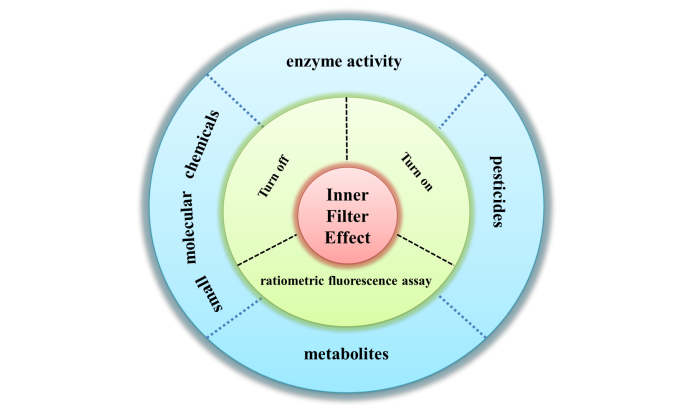
As an important non-irradiation energy conversion model, the mechanism of inner filter effect(IFE) is that the absorption spectrum of the absorbers overlaps with the excitation spectrum or emission spectrum or both spectra of the fluorophor, resulting in the fluorescence quenching of the excitation peak/emission peak of the fluorophor. The suitable donor-acceptor pair is a significant factor for successfully constructing IFE sensors to detect targets. In recent years, IFE technology has been widely studied by researchers because of its simple operation, high sensitivity, no need to modify donor and link donor and receptor. Disease is a serious threat to people’s health. Early diagnosis and early treatment are the most effective ways to prevent disease and protect health. This review summarizes the research results of IFE technology in recent years for detecting enzyme activities, pesticides, metabolites and small molecular chemicals on disease markers and health monitoring, and explains the unique design of IFE sensors based on "turn-off", "turn-on“and “ratiometric fluorescence assay” method. The advantages and disadvantages of each method are also discussed. Finally, the advantages and practical obstacles of IFE technology in disease labeling and health monitoring are briefly pointed out, and the prospects for the future development of IFE technology and disease surveillance methods are also prospected.
Shuchang Wang, Yadan Son, Yuankui Sun. Performance and Mechanism of Contaminants Removal by Carbon Materials-Modified Zerovalent Iron[J]. Progress in Chemistry, 2019, 31(2/3): 422-432.
Nanoscale zero-valent iron(nZVI) is always considered to be a promising technology for water and soil remediation, due to its high reactivity and good adsorption ability. However, given the high surface energy and intrinsic magnetic interactions, unstabilized nZVI tends to aggregate and thus causes poor mobility and lower reactivity, which limits its further development and application. To address these issues, prior and ongoing research efforts have provided several promising strategies that can potentially improve the performance of nZVI. Among of them, carbon based materials such as surfactants, polymers and porous carbon materials are commonly used to modify the surface properties of nZVI, considering carbon based materials always have superior adsorption ability, stability, electron conductivity, etc. Accordingly, this review comprehensively summarizes the modification methods with different carbon materials. Moreover, the influence of surface modification on the mobility, reactivity and especially the selectivity(electron efficiency) of nZVI is discussed in detail. It can be concluded that, for the successful application of nZVI, the mobility and selectivity of nZVI are still the bottleneck factors, although they can be enhanced by the modification with carboxymethyl cellulose, starch, activated carbon and also other carbon based materials. Therefore, future research may attempt to explore some more effective modification methods, such as with the combination of different carbon materials, to improve the mobility and selectivity of nZVI.

Hong Su, Yejun Han. Electroautotrophic Microorganisms:Uptaking Extracellular Electron and Catalyzing CO2 Fixation and Synthesis[J]. Progress in Chemistry, 2019, 31(2/3): 433-441.
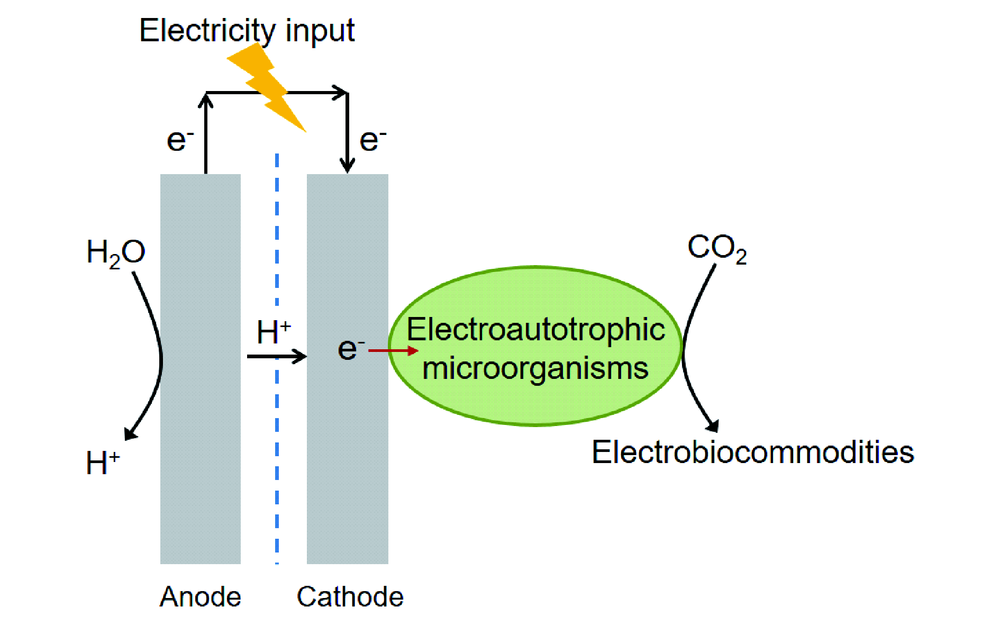
Electroautotrophic microorganisms can uptake electrons from extracellular solid donors such as metallic iron or steel, electrodes, and symbiotic microbial cells. Fuels and commodity chemicals can be produced from CO2 in a bioelectrochemical system powered by electricity and catalyzed by electroautotrophic microorganisms since they are often able to reduce and fix CO2. Thus, this provides a new and promising strategy to cope with the word energy crisis and greenhouse effect. Metabolic properties and electron uptake abilities of electroautotrophic microorganisms have direct and significant influences on viability and productivity of electrosynthesis processes. In this review, a diversity of microbial physiologies uptaking electrons from iron or steel, electrode and microbial cell, including sulphate reduction, methanogenesis, acetogenesis and nitrate reduction, are respectively summarized in the first place. Then, research progress of electrosynthesis of methane, acetate and other chemicals catalyzed by diverse electroautotrophic microorganisms are reviewed. And strategies for improving CO2 fixation and electrosynthesis efficiency and diversifying the products are emphasized, such as defined co-culture construction, cathode material modification and so on. At last, research efforts in clarifying extracellular electron transfer mechanism, catalyzing microorganisms screening and co-culture construction, and genetic engineering of electroautotrophic microbes are proposed as future directions for researchers.
Ze Feng, Dan Sun, Yougen Tang, Haiyan Wang. Rich-Nickel Ternary Layered Oxide LiNi0.8Co0.1Mn0.1O2 Cathode Material[J]. Progress in Chemistry, 2019, 31(2/3): 442-454.
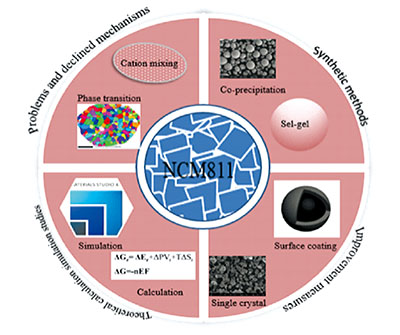
Nickel-rich ternary layered oxide LiNi0.8Co0.1Mn0.1O2 (NCM811) is considered to be one of the most potential cathode materials in the next generation lithium-ion batteries due to its high reversible capacity, environmentally friendly feature and low cost. However, this kind of cathode material is suffering from the poor thermal stability, phase transition during the charge-discharge process and safety issue, which hinders its further practical application. With the deepening of researches and development of fabrication methods, the electrochemical properties of NCM811 have been significantly improved. In this paper, the recent research progress of nickel-rich layered oxide NCM811 cathode material has been reviewed. We mainly focus on the problems and declined mechanisms, synthesis methods, improvement measures and theoretical calculation simulation studies of NCM811, and also make a brief outlook for the future development of nickel-rich ternary layered oxide NCM811.
Dongmei Yao, Weiqi Zhang, Qian Xu, Li Xu, Huaming Li, Huaneng Su. Membrane Electrode Assembly for High Temperature Polymer Electrolyte Membrane Fuel Cell Based on Phosphoric Acid-Doped Polybenzimidazole[J]. Progress in Chemistry, 2019, 31(2/3): 455-463.
High temperature polymer electrolyte membrane fuel cell(HT-PEMFC) based on phosphoric acid(PA)-doped polybenzimidazole(PBI) is considered as the trend of PEMFC future development due to its good environmental tolerance and simplified water/thermal management. As the key component of HT-PEMFC, membrane electrode assembly(MEA) plays an important role in determining its performance, cost and durability. Due to the presence of PA electrolyte, the composition and characteristics of the MEAs for HT-PEMFC are quite different from those for the PEMFC based on low temperature membranes(e.g. Nafion). At the same time, high use amount of Pt catalyst, PA loss and materials instabilities at high temperatures are concerns that HT-PEMFC currently confronts. In this paper, the studies on the construction, composition and structure optimization of HT-PEMFC MEA are reviewed, the research trend is summarized, and its future development is prospected, in the hope of providing useful guidance for the R&D of advanced HT-PEMFC MEAs in the future.

Yingna Jia, Xingxing Liu, Yun Lu, Yuefeng Su, Renjie Chen, Feng Wu. Flexible Electrode Assembled from Different Microstructures[J]. Progress in Chemistry, 2019, 31(2/3): 464-474.
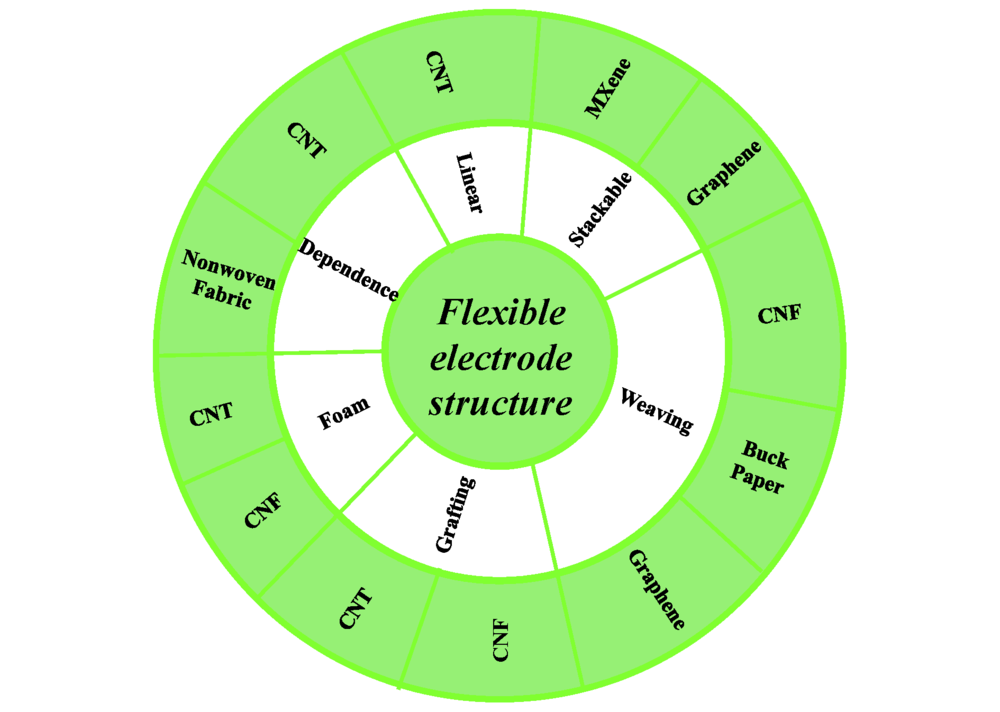
With the rapid development of wearable and flexible electronic equipment, the flexible electrochemical energy storage devices with high energy density and high power density have been widely interested and researched in numerous studies. The flexible energy storage devices, mainly include flexible solar batteries, flexible lithium batteries and flexible supercapacitors. As the core components of these devices, flexible electrodes should possess not only basic mechanical flexibility, but also excellent electrical conductivity and superior skeleton supporting strength, so as to ensure the energy storage devices tolerate various deformation such as stretching, bending and twisting and exert their electrochemical performance steadily. As the research goes deep, carbon nanotubes, carbon nanofibers, carbon cloth, polymer, metal compounds and their composites, with different macromorphology and micromorphology, have been reported as flexible matrix for electrodes in a large amount of literature recently. In this review, based on the materials and microstructures, different assembling methods for different microstructures including stacking structure, foam structure, weave structure, grafting structure, etc., for fabricating flexible electrodes, are illustrated. Also the existing methods for quantitatively evaluating the electrode flexibility are summarized. Finally, the major challenges in the future development for the flexible electrodes are illustrated and the prospects are forecast.
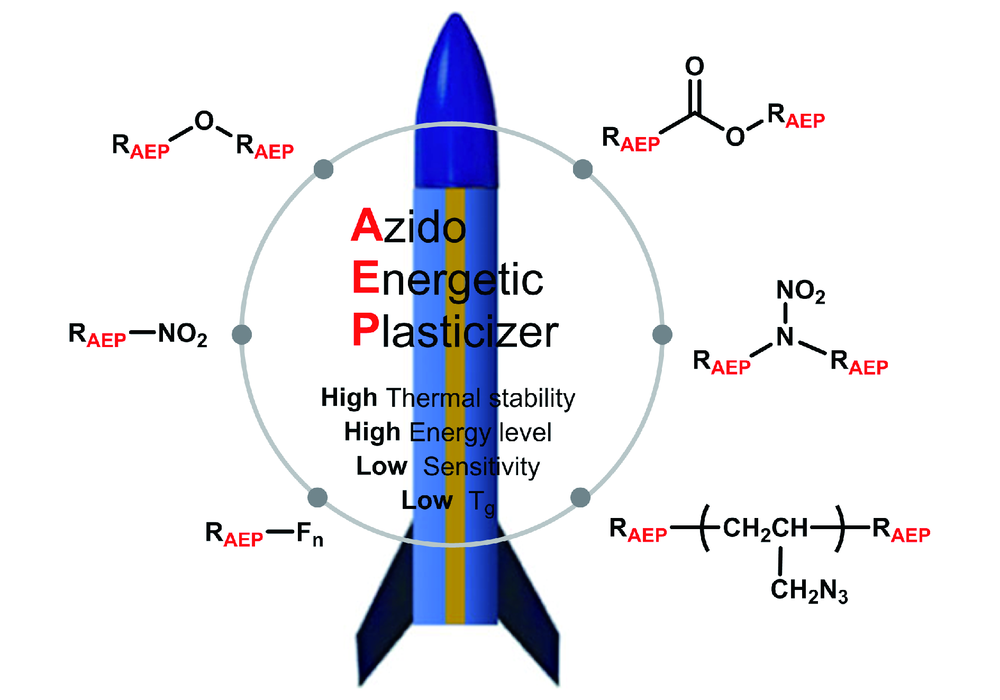
Baodong Zhao, Fulei Gao, Yinglei Wang, Yajing Liu, Bin Chen, Yongfei Pan. Azido Energetic Plasticizers for Gun and Rocket Propellants[J]. Progress in Chemistry, 2019, 31(2/3): 475-490.
With the characteristics of superior thermal stability, lower glass transition temperature, insensitivity and better compatibility with binders, azido plasticizers have vast application prospect in the gun and rocket propellants requiring low vulnerability and low characteristic signal. From the aspects of synthesis, characterization, property and application, recent research progress on azido plasticizers is reviewed in this paper. Then, the existing problems in the research of azido plasticizers are sorted, and some potential development directions on the structure design, synthesis, preparation process, characterization and application are pointed out. This review is expected to benefit the researchers on the synthesis, composition application and property characterization of energetic materials.